
Allotment Summer Watering Checklist for Hot Weather
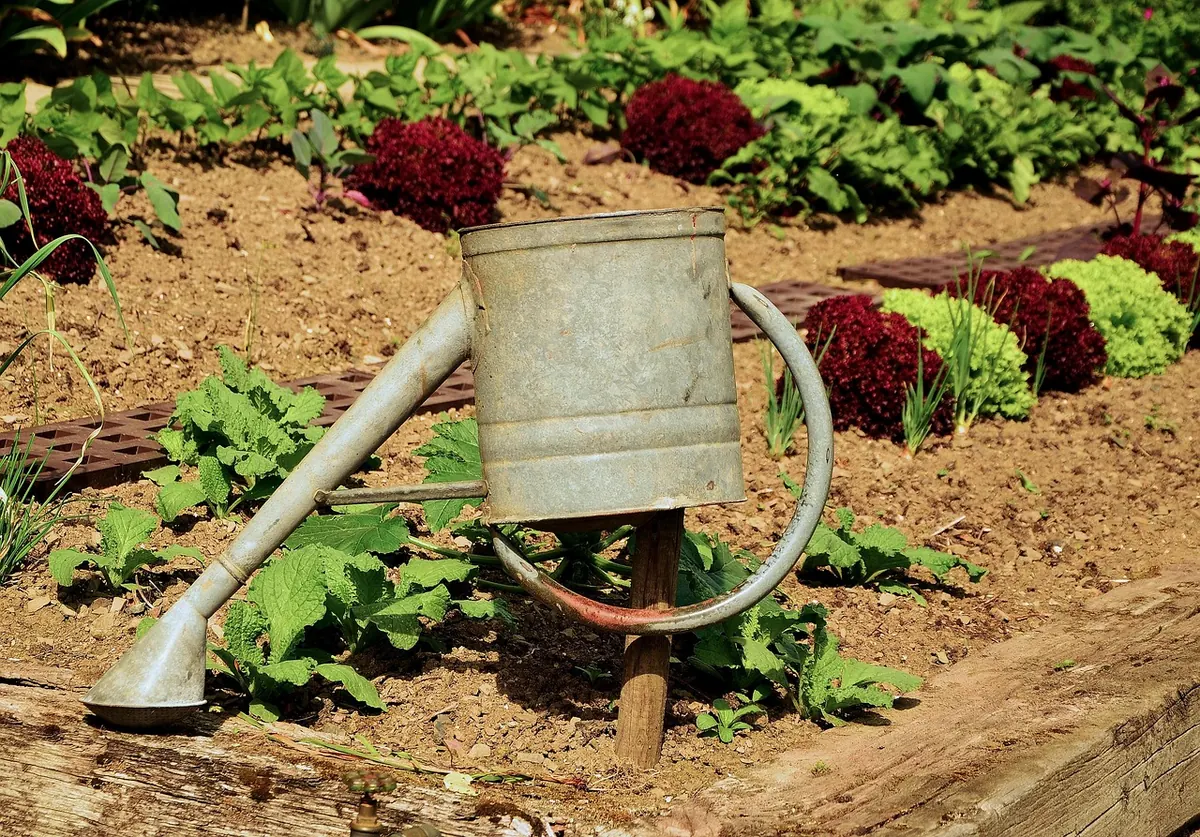
By the middle of a hot spell, an allotment can go from lush to limp in what feels like a single weekend. Runner beans droop, lettuce bolts, courgettes sulk, and the soil an inch below the surface is dust. The plots that keep cropping through a heatwave are rarely the ones where someone stood with a hose for an hour. They are the ones where water went on at the right time, landed in the right place, and was covered up afterwards.
Work through this list in order. If you can start the day before the heat arrives, even better.
Get Ahead of the Heat
The most useful watering you do is the one before the thermometer climbs. A deep soak the evening before gives the soil a reserve to draw on, and damp soil heats up more slowly than dry soil. While you are out there, mulch anything that is already in the ground, pull the weeds that will otherwise drink your water, and harvest anything on the edge of ready — peas, broad beans, cut-and-come-again salad, the first courgettes. A plant that is not carrying a heavy crop needs less water.
Pots, grow bags and raised beds dry out fastest of all. Group them together so they shade one another, and move what you can into the shadow of a shed, hedge or bean frame for the hottest part of the day.
Water Early, and Water Deeply
Early morning is the best slot. The soil is cool, there is usually less wind, and the plants have the whole day to drink before the sun does its work. Evening is the second-best choice, though on plots with a slug problem it has a downside: damp soil overnight suits slugs and snails, and tender seedlings can be gone by morning.
Midday watering is mostly wasted. A good share evaporates before it reaches the roots, and the surface dries within the hour. If a plant is wilting badly in the afternoon sun, give it a targeted drink at the base rather than a general soak.
Depth matters more than frequency. Two or three proper soakings a week will build a root system that reaches down for moisture. A light sprinkle every evening does the opposite: it encourages shallow roots that give up the moment the top inch dries. Aim to wet the top 15–20cm, which usually means a full watering can per courgette or squash plant, and rather more for a mature tomato.
Test Before You Pour
Push a finger into the soil up to the second knuckle. If it is damp at that depth, leave it. If it is dry, water. A trowel gives you a better picture — dig a small hole, look at the colour and texture, then close it up. Scratch back the mulch before you decide; the surface can look bone dry while the soil beneath is still holding moisture, and overwatering courgettes or tomatoes in heavy soil causes as many problems as drought.
Mulch Like You Mean It
A mulch is a lid on the water you have just applied. Spread 5–8cm of well-rotted compost, leaf mould or straw around established plants, keeping it clear of stems to avoid rot. Grass clippings work well if you build them up in thin layers and let each one wilt before adding the next — a thick, wet mat of clippings goes sour and slugs love it. Cardboard, weighted with a little soil, is a quick fix between rows. The one rule: mulch onto damp ground. If the soil is dry underneath, you are simply sealing in the drought.
Put the Water Where the Roots Are
- Take the rose off the can for established plants. A steady stream at the base beats a shower over the leaves.
- Sink a plastic bottle with the base cut off next to courgettes, squashes and tomatoes, and pour into it. The water goes straight down to the roots.
- Bury a flowerpot beside thirsty plants like celery or cucumbers and fill it — it seeps out slowly where it is needed.
- Use a soaker hose or drip line on a timer if your site allows it; it delivers water slowly and evenly along a row.
- Keep foliage dry in the evening. Damp leaves overnight invite mildew and blight, especially on tomatoes and courgettes.
- Water the soil, not the fruit. Splitting tomatoes and bitter cucumbers usually come from stop-start watering, not from too little.
The Weekly Heatwave Checklist
- Water deeply on two or three mornings, not lightly every day.
- Check pots, grow bags and seed trays daily — they may need water twice on the hottest days.
- Top up mulch where it has thinned, especially around brassicas and beans.
- Hoe weeds on a dry morning while they are small and easy to kill.
- Shade newly planted seedlings with fleece, netting or a leafy branch.
- Fill water butts before the dry spell, and keep a full can in the shade.
- Harvest daily. Cucumbers, courgettes and beans left to swell pull water the plant cannot spare.
- Check your site's rules on hoses and standpipes, and any local restrictions, before you rig anything up.
- Walk the plot in the evening and note what is wilting — those are next morning's priority.
Decide What Gets the Water First
If the can is not big enough for everything, start with the plants that will die without help: seedlings, anything planted in the last fortnight, containers, and leafy crops such as lettuce and spinach. Next come the heavy drinkers in full production — courgettes, squashes, cucumbers, runner and French beans, celery, celeriac and tomatoes. Fruit bushes carrying a crop are worth a soak too.
Lower down the list are established onions, garlic, carrots, parsnips and beetroot, which will usually sit out a hot week without much harm, and Mediterranean herbs such as rosemary, thyme and lavender, which prefer to be left alone. Watering those is simply throwing water away.
Make It a Routine, Not a Rescue Mission
Heatwaves are easier on the plot when the work is spread out rather than saved for a crisis. Keep a couple of full butts topped up, mulch as you plant rather than as an afterthought, and make an early morning walk part of your summer routine — ten minutes with a can and a finger in the soil tells you more than any forecast. Established plants will ride out a few hot days. Seedlings and anything in a pot will not, so give those your attention first, and let the rest of the plot do what it has always done: cope.
Photo: congerdesign / Pixabay