
Easy Blackberry and Apple Crumble for Foraged Fruit
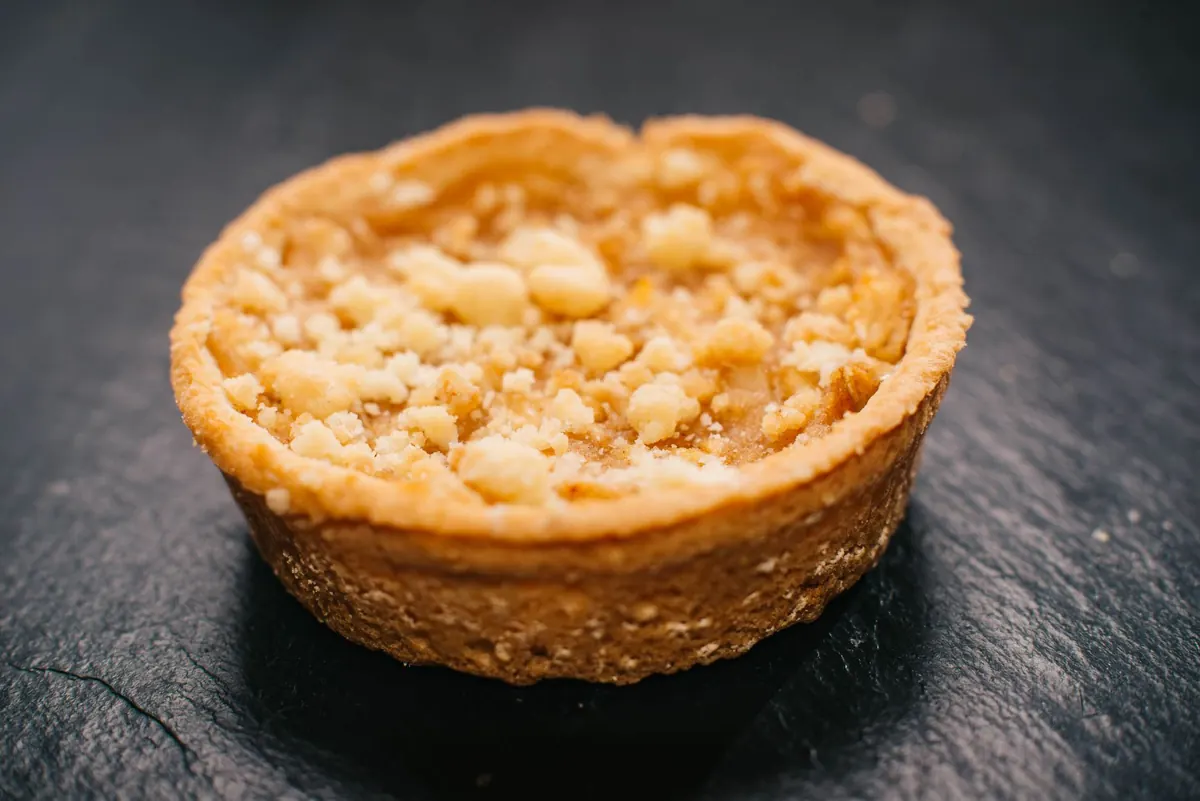
By late August the hedge along the lane is heavy with blackberries, and the old apple tree at the bottom of the garden has started dropping fruit. That pairing — sharp, dark fruit under a buttery, nubbly topping — is the reason crumble exists in most people's minds. This is the version made here every year: no pastry, no long list of ingredients, about fifteen minutes of assembly before it goes in the oven. It works with a proper haul from the hedgerow or a modest handful topped up with a couple of Bramleys from the greengrocer.
What to look for when you pick
Blackberry picking has a rhythm to it. Fruit at the top of the hedge ripens first, so start high and work down over the following weeks. A ripe blackberry is dull black rather than glossy red-black, and it drops into your palm with the lightest pull. If you have to tug, leave it — it will be sweeter in three days.
Keep your picking above knee height. That lower band of the hedge is the part most likely to have been visited by dogs, and it is also where you find the dusty, half-hidden fruit. Hedges along busy roads collect exhaust and spray, so walk a few hundred metres down a quieter lane if you can. On private land, ask first, however tempting the branch.
Choosing the apples
Apples are forgiving. Bramleys give a sharpness that cuts through the sweet topping; eaters like Cox, Discovery or a windfall from your own tree work just as well. Windfalls are fine as long as you cut out bruises, maggot holes and soft brown patches. A small paring knife and five minutes at the sink deal with most of it.
A quick soak in cold water with a teaspoon of salt draws out the tiny fruit-fly larvae that sometimes hide in blackberries; rinse well afterwards. Even if you skip that step, a bowl of cold water and a good swirl leaves you with clean fruit and a few leaves settled at the bottom.
What you need
One dish, roughly 20cm square or 1.5 litres, serves four generously with custard. A deeper dish works, but give it a few extra minutes in the oven.
- For the fruit: 800g prepared fruit — about 500g blackberries and 300g peeled, cored apple, cut into 2cm chunks
- 2–3 tbsp caster, granulated or light brown sugar, depending on how sharp the apples are
- 1–2 tsp cornflour, if the fruit is very juicy
- Finely grated zest of half a lemon (optional, but it lifts the flavour)
- For the topping: 175g plain flour
- 100g cold butter, cut into cubes
- 75g demerara sugar, plus a little extra for the top
- A pinch of salt
- 50g porridge oats or 30g flaked almonds (optional)
- A pinch of ground cinnamon or ginger (optional)
Make the topping first
Put the flour and salt in a large bowl, add the cold butter and rub it in with your fingertips. Lift the mixture as you go, letting it fall back into the bowl — that keeps air in it. You are done when it looks like coarse breadcrumbs with a few pea-sized lumps still in there. Those lumps become the crunchy patches on top, so stop while it still looks slightly uneven.
Stir in the sugar, then the oats or almonds if you are using them. A food processor does the same job in about eight seconds, but pulse in short bursts and add the sugar by hand afterwards, or you will end up closer to shortbread dough than crumble. If you have time, chill the topping for twenty minutes while you prepare the fruit; cold butter keeps the texture open.
Assemble and bake
- Heat the oven to 200°C (180°C fan, gas mark 6).
- Toss the prepared fruit in the dish with the sugar, cornflour and lemon zest. Level it out but don't press it down.
- Scatter the topping over the fruit in an even layer. Resist packing it flat — loose crumbs give a better crust. Sprinkle a spoonful of demerara over the top.
- Stand the dish on a baking tray to catch any juices that bubble over, and bake for 35–45 minutes.
- It is ready when the topping is deep golden and you can see purple juice bubbling up around the edges. If the top colours too quickly, lay a piece of foil loosely over it.
- Rest for ten minutes before serving. The filling thickens as it cools and nobody burns their mouth on molten blackberry.
Swaps and variations
Frozen blackberries work perfectly well — use them straight from the freezer and add five minutes to the baking time. A gluten-free plain flour blend behaves much the same in the topping, though it benefits from the oats for structure. For a dairy-free version, rub in a firm plant-based block rather than a spread from a tub; the softer products turn greasy in the oven.
Other fruit follows the same maths. Rhubarb with a little orange zest, plum and apple, or pear and blackberry all work at roughly 800g of prepared fruit. If you are using very sweet fruit, drop the sugar in the filling to a single tablespoon. If you are using very sharp fruit, add another. Taste a piece of raw apple before you commit; that tells you more than any recipe.
Serving, storing and reheating
Custard is traditional and hard to beat, but cold cream, vanilla ice cream or a spoonful of thick yoghurt all do the job. Leftovers keep covered in the fridge for three days. Reheat in a moderate oven, covered with foil, for fifteen minutes — a microwave works but softens the topping.
You can also assemble the whole thing ahead and freeze it unbaked. Bake from frozen, adding 15–20 minutes, and cover the top with foil for the first half hour so the crumbs don't catch. A baked crumble freezes well too; portion it first, then reheat straight from frozen.
The short version
800g fruit, 2–3 tablespoons of sugar in the filling, and a topping of 175g flour, 100g butter and 75g sugar. Bake at 200°C for around 40 minutes until the juices bubble. Once those numbers are in your head you can make a crumble from whatever the hedgerow, the garden or the bottom of the fridge offers.
One last thing worth checking: rules on foraging vary between countries and often between neighbouring councils, and hedgerows on private land need the landowner's permission. A quick look at local guidance before you set out saves an awkward conversation later.
Photo: Novkov Visuals / Pexels